Autonomous UAV Navigation & System Integration
This project focuses on the development of a vision-based autonomous landing system for a quadrotor UAV. The work involves hardware integration, custom 3D-printed components, and a Python-based control architecture using the MAVLink protocol.
Highlights
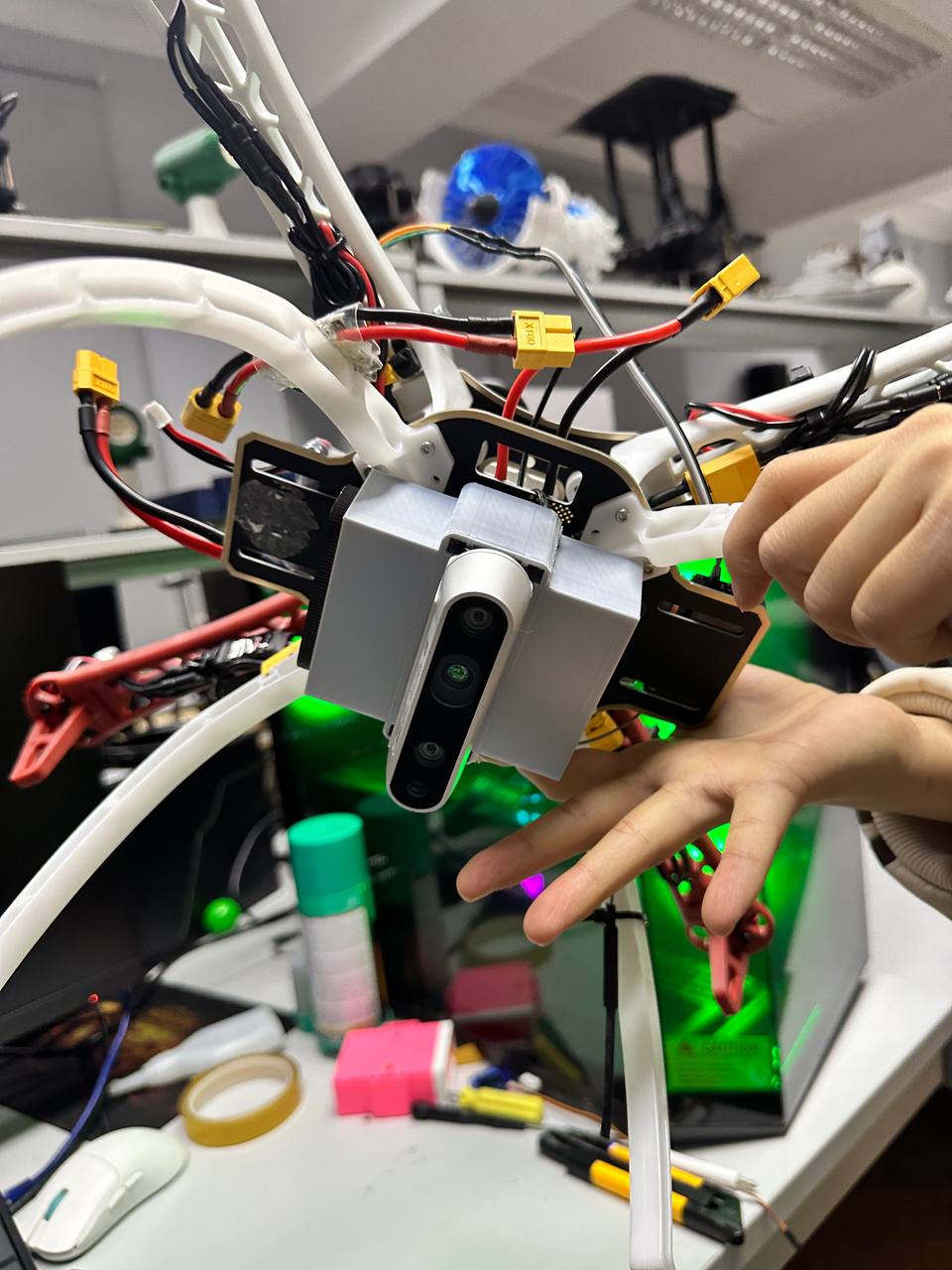
- Custom Hardware Integration: Assembly of an F450-based quadrotor featuring a Pixhawk flight controller, Raspberry Pi 5 for high-level processing, and an Intel RealSense camera for depth sensing.
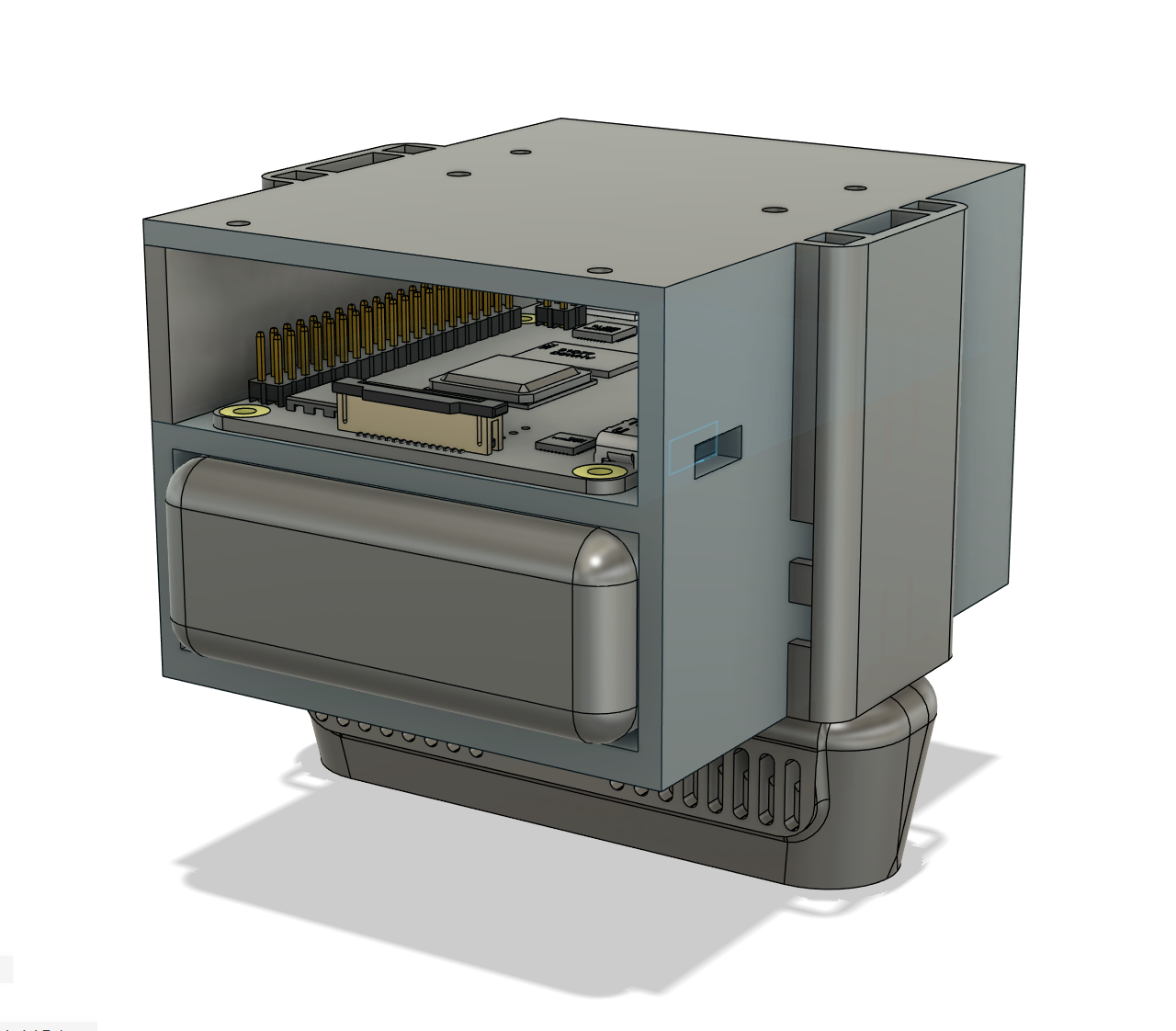
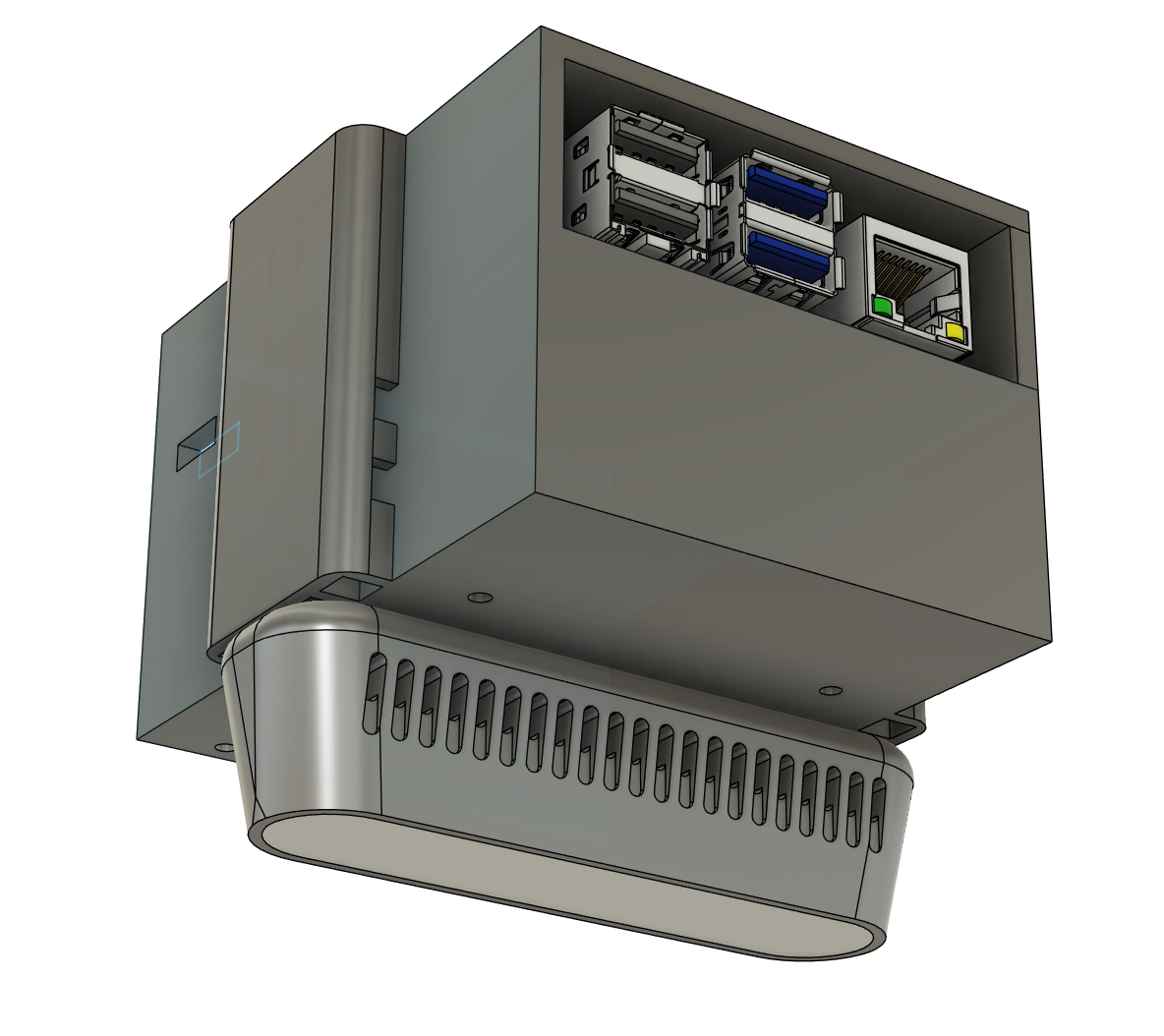
- Custom 3D-Printed Parts: Design and manufacturing of specialized mounts for the Huawei Powerbank, Raspberry Pi 5, and Intel RealSense camera to ensure structural integrity during flight.
- Python Control Layer: Implementation of a manual and autonomous control interface using MAVLink RC channel override, allowing custom commands to be transmitted directly to the Pixhawk.
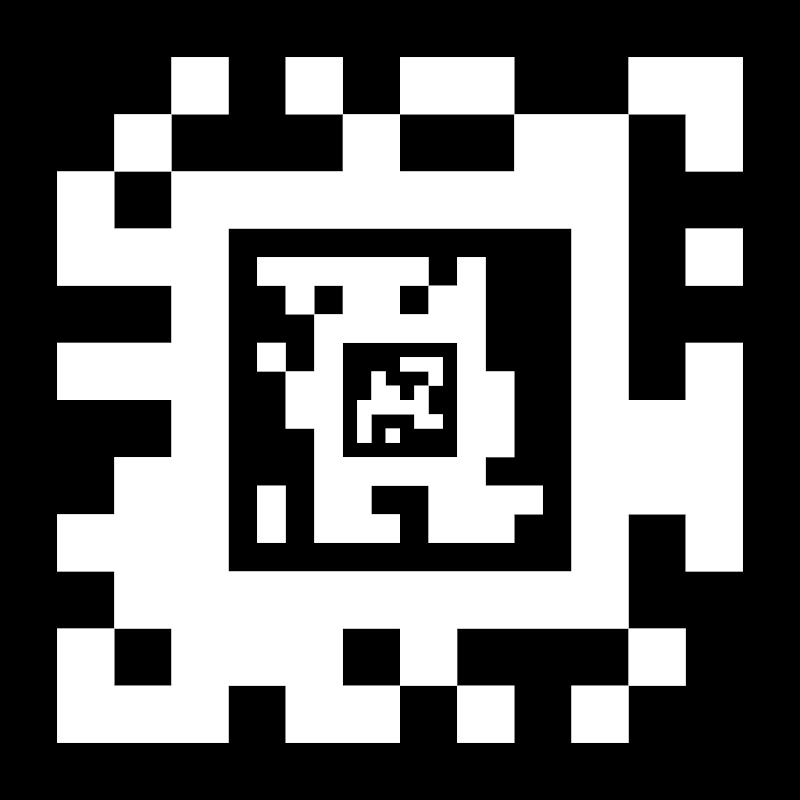
- PID-Based Autonomous Landing: Development of a control loop that processes fractal marker coordinates to execute precision landings.
System Hardware & Tools
Processing: Raspberry Pi 5 & Pixhawk Flight Controller.
Vision: Intel RealSense Camera & Fractal Marker Detection.
Custom Parts: 3D-modeled mounts for Powerbank and sensors.
Communication: MAVLink Protocol & Telemetry Link.
1. Hardware Assembly
The drone was built from the ground up, integrating flight electronics with custom 3D-printed mounts for optimal component placement.
2. Custom 3D-Printed Components
To integrate the electronics into the F450 frame, I designed a custom mount using Autodesk Fusion 360. Each part was modeled based on precise physical measurements of the Huawei Powerbank, Raspberry Pi 5, and Intel RealSense camera to ensure a perfect friction fit and reliable structural integration during flight.
3. Manual Control via Terminal (Python)
A custom Python script was developed to override RC channels via MAVLink[cite: 157, 160].
3. NVIDIA Omniverse Digital Twin
The system was simulated within the NVIDIA Omniverse environment to validate the flight dynamics and digital twin behavior before actual field tests.
4. Autonomous Landing Execution
The final phase demonstrates the integration of the vision system and PID control, resulting in an autonomous descent and landing on the target marker. [cite: 311, 351]